
A handful of Pokémon cards have sold for life-changing money. Most didn’t come from a booster pack — they were trophy cards, handed out at 1990s Japanese tournaments, or early promos printed in tiny runs. Others are legitimately pullable from modern sets but only hit serious numbers when graded PSA 10.
This post ranks the most valuable Pokémon cards by confirmed public sale price, with honest context on condition, grade and what you’d actually need to replicate that number.
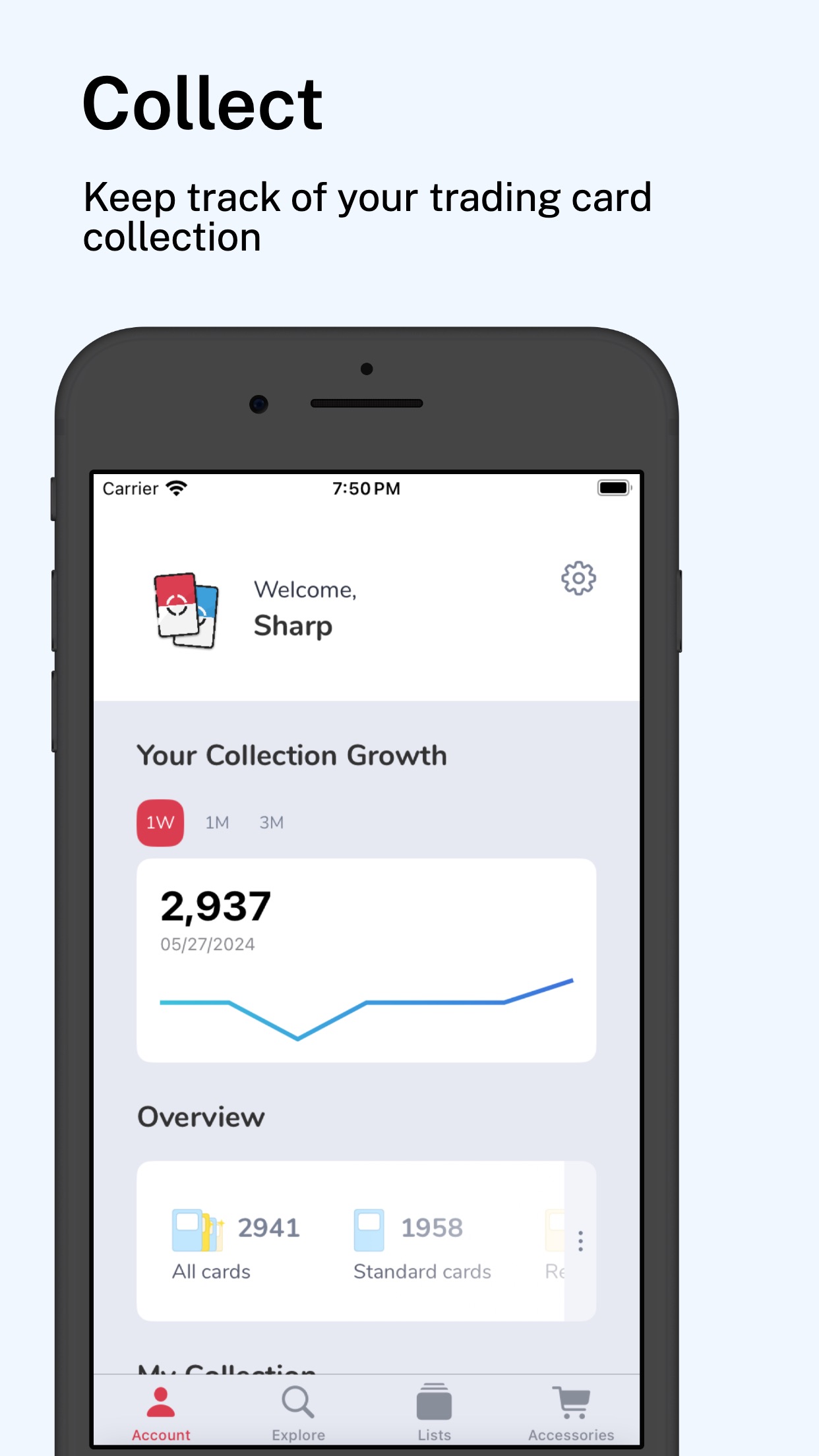
Think you might own one? Scan the card with TCG Companion and the app will show you the raw market price plus every tracked graded tier (PSA 10, 9.5, 9, 8, 7, BGS 10, CGC 10, SGC 10) in under a second.
A quick note on “value”
Three things dictate whether a Pokémon card is valuable:
- Scarcity at print: how many existed the day it was printed.
- Scarcity at this condition: how many survive graded at a given tier.
- Demand: nostalgia, Pokémon popularity, art, and hype cycles.
The cards at the top of this list combine all three. A vintage Charizard in heavy-play condition is worth a fraction of the same card in PSA 10 — our grading guide walks through why the graded premium matters so much.
1. Pikachu Illustrator — ~$5.275 million
The undisputed king. Awarded to winners of 1998’s “CoroCoro Comic Illustration Contest” in Japan, fewer than 40 copies were produced and the “Illustrator” designation appears on no other card in the hobby. Logan Paul famously wore a PSA 10 example to WrestleMania after paying $5.275M for it in 2021 — the highest confirmed public sale price of any Pokémon card, and a Guinness World Record for a single trading card.
You are not finding this in a binder. Fewer than a dozen have ever been graded.
2. 1998 Japanese Trophy Pikachu №1 / №2 / №3 Trainer
Awarded to winners of the 1997 Japanese Secret Super Battle tournament, these “Trophy Pikachu” cards (Gold, Silver and Bronze trainer markings) are among the rarest official Pokémon prints ever made — only a handful of each exist. A PSA 9 №1 Trainer Pikachu has traded above $300,000, with top examples going significantly higher in private sales.
3. 1999 Base Set Shadowless 1st Edition Charizard — PSA 10
The most famous mass-printed Pokémon card, bar none. Unlike the cards above, you could have pulled this from a pack in 1999 — but in PSA 10 they clear $300,000+ in strong markets. PSA 9s trade in the $40,000–$80,000 range.
- Raw near-mint copies: ~$15,000–$30,000
- PSA 9: ~$40,000–$80,000
- PSA 10: ~$300,000+
Key tells: the 1st edition stamp left of the art, no shadow behind the right edge of the Charizard illustration, and the thinner border style.
Browse the 1999 Base Set card list →
4. Blastoise “Galaxy Star Hologram” Commissioned Presentation — ~$360,000
A test print created by Wizards of the Coast for Nintendo in 1998, long before Base Set released in English. Only two confirmed to exist. One sold at Heritage Auctions in 2021 for $360,000.
5. 1998 Kangaskhan Family Event Trophy Card
Awarded to families who completed a Pokémon card event in Japan in 1998. Graded Gem Mint copies have sold for $150,000+, with population reports in single digits.
6. 1995 Tropical Mega Battle “Tropical Wind” Trophy Card
Issued at the 1999 Tropical Mega Battle in Hawaii to ~12 international finalists. A holo English version with a tropical palm tree design, signed and dated. High-grade copies trade for $60,000–$130,000+ depending on condition and signature authenticity.
7. 1st Edition Base Set Charizard (non-shadowless print)
The more common 1st edition, from later in the 1999 print run with the standard shadow behind the art. Still a grail card — PSA 10s push $30,000–$60,000+, PSA 9s hover around $6,000–$10,000.
8. Umbreon & Espeon Gold Star (2007 POP Series 5)
A promotional set distributed primarily through the Pokémon Organized Play program in tiny quantities. The Gold Star versions of Umbreon and Espeon have quietly become the most valuable modern-era pulls outside of sealed trophy cards.
- Espeon Gold Star PSA 10: ~$18,000–$30,000
- Umbreon Gold Star PSA 10: ~$20,000–$40,000
9. Charizard Gold Star (2006 EX Dragon Frontiers)
Still the most hyped Gold Star Charizard printed. PSA 10 examples trade $15,000–$30,000+ depending on eye appeal and centering.
10. Shining Charizard (2002 Neo Destiny, 1st Edition)
The original “shiny Charizard” in card form. First edition PSA 10 copies reach $12,000–$20,000+, with unlimited 1st edition copies a tier below.
11. Super Secret Battle “No. 1 Trainer” promo (1999)
Another trophy card, awarded to regional winners of a 1999 Japanese competition. Holographic “No. 1 Trainer” text — PSA 10s have sold $90,000–$120,000+.
Modern chase cards worth watching
None of these are worth what the trophy cards above pull, but they’re the cards most likely to actually appear in collectors’ binders in 2026:
- Charizard VMAX Rainbow Rare (Champion’s Path, Shining Fates, Darkness Ablaze): PSA 10s range from $300 to $1,500+ depending on set.
- Rayquaza VMAX Alt Art (Evolving Skies): an all-time alt-art favourite — PSA 10s near $1,000–$2,000.
- Umbreon VMAX “Moonbreon” Alt Art (Evolving Skies): arguably the most-chased modern card — PSA 10s $2,000–$5,000+.
- Giratina V Alt Art (Lost Origin): popular illustration, PSA 10s $400–$900.
- Pikachu VMAX “Fat Chu” (Vivid Voltage): PSA 10 $200–$500. See the set →
- Charizard ex Special Illustration Rare (Scarlet & Violet 151): the 151 chase — PSA 10 $500–$1,200. See the set →
- Iono Special Illustration Rare (Paldea Evolved): the trainer-art chase — PSA 10 $300–$600. See the set →
- Prismatic Evolutions Eevee Special Illustration Rare: the headline chase of the 2025 anniversary set. See the set →
Prices here are 2026 market ranges based on recent public sales. Pokémon card values move — scan the card in the app for the current number before you buy or sell.
What makes a card move into “valuable” territory
Three patterns across almost every card on this list:
- Vintage + top grade. Vintage alone isn’t enough — a 1999 Base Set holo in PSA 6 is a couple hundred dollars. The same card in PSA 10 is $300K. Grade compresses value dramatically at the top end.
- Trophy / tournament-only prints. Cards that were never in booster packs have artificial scarcity by design. They dominate the top of any valuation list.
- Iconic Pokémon + iconic art. Charizard, Pikachu, Umbreon, Mewtwo — these move value beyond what pure rarity would suggest. The market cares about the Pokémon and the art.
How to know if your card is one of these
Most cards aren’t. But the ones that are have specific tells:
- A 1st edition stamp or a shadowless border on a vintage (1999–2000) Base Set holo.
- A Gold Star next to the Pokémon name on 2006–2007 sets.
- “Trophy”, “No. 1 Trainer”, “Illustrator” text — these are trophy prints.
- Clean alt-art special illustration rares of chase Pokémon from modern sets (Umbreon VMAX, Charizard ex, Giratina V, Rayquaza VMAX).
- Near-mint or better condition — without it, the headline prices don’t apply.
The fastest way to check is to scan the card with TCG Companion. The app identifies the exact set, number and variant, shows the current market value raw plus every tracked graded tier, and links straight to live eBay listings so you can verify with actual sales.
Related reading
- Graded Pokémon cards: PSA vs BGS vs CGC — why grading drives top-end value
- Are Pokémon cards worth anything? — the honest baseline for everyone else
- Rare Pikachu cards worth looking for
- Pokémon card value checker — scan any card and see the price
- Browse all 178 Pokémon TCG sets