
Counterfeit Pokémon cards have been around almost as long as the real ones, and the printing has only gotten better. If you buy singles, bulk lots or “cheap” sealed product online, you will run into fakes eventually. The good news is that most counterfeits still fail a handful of simple, evergreen checks - you just need to know what to look at.
This guide is a practical checklist for how to tell if a Pokémon card is fake. None of it requires special equipment, and the single most powerful move is comparison: knowing exactly what the genuine card should look like, then holding your card up against that reference.
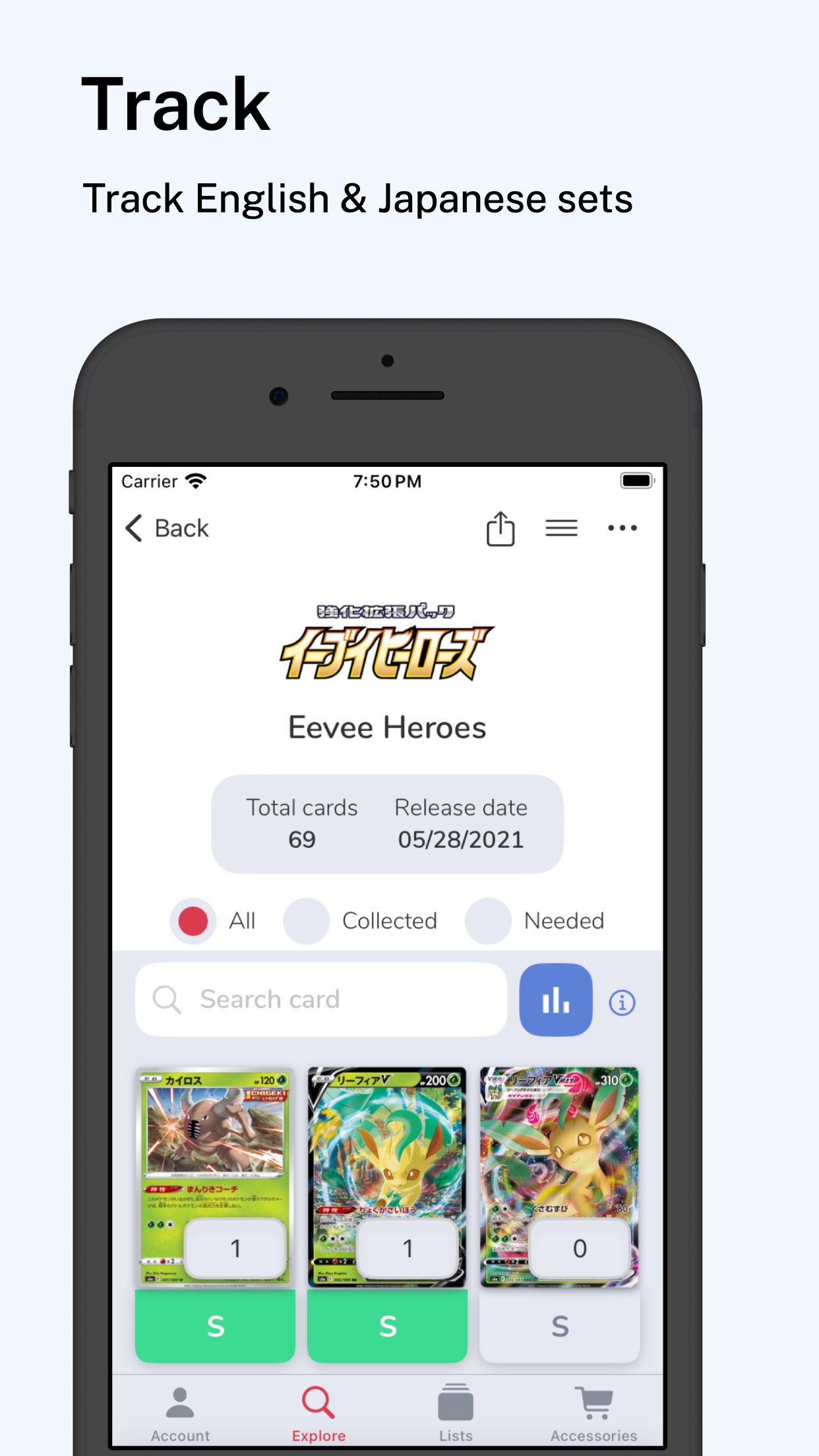
Not sure? Scan the card with TCG Companion and it identifies the exact card, set and variant, then shows what the real card should look like and its current market value in seconds - so you have a genuine reference to compare against.
Start with a known-genuine card
The fastest fake check in the world is a side-by-side. If you own the same card (or any card from the same era) that you know is real, put the two together. Fakes almost always give themselves away the moment they sit next to the genuine article - the color is slightly off, the back looks wrong, the texture feels different.
If you do not have a genuine copy on hand, the app gives you the next best thing: it pins down the exact card, set number and variant, so you know precisely which real card yours is claiming to be. From there, every check below has a reference point.
Check the card back first
The back is where most cheap fakes fall apart, because counterfeiters focus on the front.
- The blue swirl and Poké Ball. A genuine back has a specific, even blue with a clean color break through the central Poké Ball. Fakes often run too dark, too purple, or have muddy, blurred detail.
- Centering. Real cards are printed with reasonable, consistent borders. Many fakes are noticeably off-centre on the back - one border fat, the opposite border thin.
- Sharpness. Look closely at the fine lines and text. Genuine printing is crisp; counterfeits often look slightly fuzzy or pixelated under magnification.
Read the text for spelling and font errors
Official cards go through rigorous proofing. Fakes frequently do not.
- Spelling and grammar. Typos in the Pokémon name, attack names, or flavor text are a dead giveaway.
- Font and spacing. Compare the typeface, letter spacing and weight to the real card. Counterfeits often use a font that is close but not exact, or cram text awkwardly.
- HP and attack numbers. The HP value, attack names and damage numbers should match the genuine card exactly. If your reference says the card has 120 HP and yours says 130, something is wrong.
Look at color and saturation
Genuine cards have a balanced, controlled color palette. Fakes tend to swing one of two ways: oversaturated (colors that look neon or cartoonishly bright) or washed out (dull, faded, low-contrast). Yellow borders are a good tell - the real yellow is a specific warm shade, and fakes often go too pale or too orange.
Set symbol and rarity symbol
Every genuine card carries a set symbol and a rarity symbol (circle for common, diamond for uncommon, star for rare, and so on). On fakes these are often blurry, the wrong shape, missing entirely, or don’t match the set the card claims to be from. Cross-check them against the real card - this is one of the easiest details for a counterfeiter to get subtly wrong.
Worth knowing: rarity symbols also help you value a real card. See Pokémon card rarity symbols explained for the full breakdown.
Texture, finish and holo pattern
Modern genuine cards have a distinct feel and finish. Holo and reverse-holo cards use specific foil patterns; textured cards (full arts, illustration rares) have a raised, tactile surface. Fakes commonly get this wrong:
- Flat, glossy printing where the real card should be textured.
- A holo pattern that looks like a printed rainbow rather than genuine foil that shifts with the light.
- An overall finish that is too shiny, too matte, or feels like a laminated photo.
The light test
Hold the card up to a bright light. Genuine Pokémon cards have an opaque black layer sandwiched in the middle, so very little light passes through. Many fakes are printed on thinner or lower-quality stock and let far more light shine through. If your card glows like tracing paper next to a genuine one, be suspicious.
The rip test (destructive - last resort)
If you are willing to sacrifice the card, tear it in half. A real card reveals a thin black core layer in the middle of the cardstock. A fake usually shows solid white or gray all the way through, with no black line. This is definitive, but obviously you only do it on a card you have already decided is worthless - never on anything you might keep or sell.
Feel, weight, cut and borders
Pick the card up and handle it. Genuine cards have a consistent weight and a stiff-but-flexible snap. Also check:
- Cut. Real cards are cut cleanly and squarely. Fakes can have rough, angled or frayed edges.
- Borders. Uneven, crooked or oddly thick borders point to counterfeit printing.
- Energy symbols. The energy icons in attack costs should be crisp and correctly colored. Blurry or wrongly-shaded energy symbols are a common fake tell.
Where fakes show up
You are most likely to run into counterfeits in a few predictable places:
- Bulk lots. Large “mystery” or bulk collections, especially cheap ones, are a common place for a few fakes to be salted in.
- Suspiciously cheap sealed product. Booster boxes or tins priced well below market are a classic counterfeit trap - if a sealed box costs a fraction of everyone else’s, assume the worst.
- Open marketplaces and social sellers. Listings with stock photos, no close-ups of the back, or prices that seem too good to be true.
When a deal feels too cheap for what is promised, that is usually the tell before you even see the card.
The fastest fake check
You can run through this entire checklist by eye, but comparison is what makes it fast and certain. Identify exactly what the genuine card should be, then hold yours against that reference. That is the whole job of a fake Pokémon card checker workflow: know the real card, then check the differences.
Scan yours, confirm the real card’s set, number and variant, and work down this list. If several tells fail at once - a muddy back, off fonts, a weak light test - you are almost certainly holding a counterfeit.
Related reading
- Pokémon Card Scanner - identify the exact real card to compare against
- Graded Pokémon cards explained - and why a slab is not automatic proof
- Pokémon card rarity symbols - check the symbol against the real set
- How to grade Pokémon cards
- How to sell Pokémon cards - and avoid passing on a fake by accident
- How much is my Pokémon card worth?